

Why Choose JoyMechanix Cable Cam Systems
JoyMechanix cable cam systems are built for clients who want long-term control of their camera motion investment, not dependence on a closed supplier model. The difference is not only in range, speed, or payload. It is also in ownership logic, engineering flexibility, software control, serviceability, and the ability to generate reliable value over many years of operation.
For broadcasters, rental companies, venues, production groups, and integrators, a cable cam system is not only a technical purchase. It is a business asset. The system has to work safely, be usable by the client’s own team, adapt to different productions, and support real revenue-generating work instead of creating unnecessary operating restrictions.
For broadcasters, rental companies, venues, production groups, and integrators, a cable cam system is not only a technical purchase. It is a business asset. The system has to work safely, be usable by the client’s own team, adapt to different productions, and support real revenue-generating work instead of creating unnecessary operating restrictions.
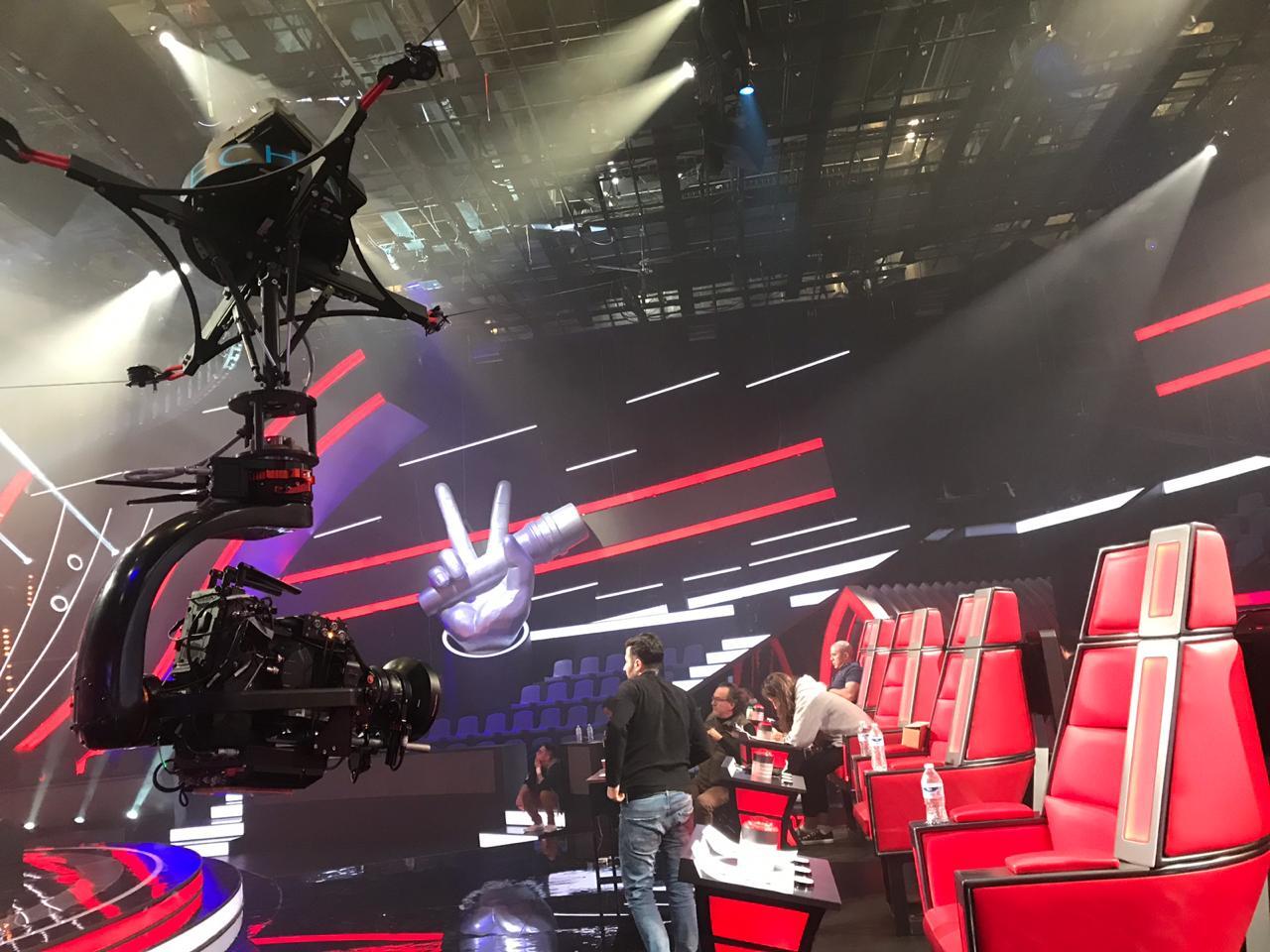
Article scope
This article explains why clients choose JoyMechanix cable cam systems from a practical business and production perspective.
It focuses on ownership, total cost of operation, rental use, engineering flexibility, motion control, training, and long-term independence. The article is written for buyers comparing high-end 3D cable cam systems and evaluating which manufacturer best fits their technical and commercial model.
It does not cover every technical specification of each model. Instead, it explains the operating philosophy behind JoyMechanix and why that philosophy matters after installation.
It focuses on ownership, total cost of operation, rental use, engineering flexibility, motion control, training, and long-term independence. The article is written for buyers comparing high-end 3D cable cam systems and evaluating which manufacturer best fits their technical and commercial model.
It does not cover every technical specification of each model. Instead, it explains the operating philosophy behind JoyMechanix and why that philosophy matters after installation.
Built for ownership, not vendor lock-in
JoyMechanix cable cam systems are designed around a simple ownership principle: once the system is installed and handed over, the client should be able to operate it with confidence and control.
The goal is not to lock the client into a closed operating model. The system is designed to give the owner practical independence, predictable operation, and flexibility in how the equipment is used.
This means:
The goal is not to lock the client into a closed operating model. The system is designed to give the owner practical independence, predictable operation, and flexibility in how the equipment is used.
This means:
- No hidden operating costs after installation
- No mandatory long-term service contract as a condition of using the system
- No forced dependency on a closed vendor ecosystem
- Compatibility with selected third-party equipment where technically appropriate
- Training and handover focused on the client’s own operating team
This matters because the buyer is not only purchasing equipment. The buyer is also building a production capability.
A venue may want to use the system across different show formats. A rental company may need to serve different clients and camera packages. A broadcaster may need to integrate the system into an existing production workflow. In each case, ownership control is a major part of the value.
A venue may want to use the system across different show formats. A rental company may need to serve different clients and camera packages. A broadcaster may need to integrate the system into an existing production workflow. In each case, ownership control is a major part of the value.
Better value across the full lifecycle
The initial purchase price is only one part of the cost of a professional cable cam system.
A stronger way to evaluate value is to look at the full lifecycle of the system. This includes purchase price, installation, training, maintenance, operating flexibility, serviceability, upgrade path, and the ability to generate revenue or production value over time.
JoyMechanix focuses on cost efficiency across that full lifecycle.
Compared with similar high-end systems, JoyMechanix cable cam systems are positioned to offer strong performance in the same professional class while keeping the investment structure practical for owners. The goal is not simply to be cheaper. The goal is to deliver a better relationship between specification, reliability, operating freedom, and long-term cost.
For a system owner, lifecycle value can be more important than a small difference in headline specification. A system that is easier to own, easier to service, and easier to deploy can create better financial results over time.
A stronger way to evaluate value is to look at the full lifecycle of the system. This includes purchase price, installation, training, maintenance, operating flexibility, serviceability, upgrade path, and the ability to generate revenue or production value over time.
JoyMechanix focuses on cost efficiency across that full lifecycle.
Compared with similar high-end systems, JoyMechanix cable cam systems are positioned to offer strong performance in the same professional class while keeping the investment structure practical for owners. The goal is not simply to be cheaper. The goal is to deliver a better relationship between specification, reliability, operating freedom, and long-term cost.
For a system owner, lifecycle value can be more important than a small difference in headline specification. A system that is easier to own, easier to service, and easier to deploy can create better financial results over time.
No competition with system owners
One of the most important commercial differences is that JoyMechanix does not operate rental services.
This matters for rental companies and regional system owners. When a manufacturer also rents systems directly, the manufacturer can become a competitor to its own customers. That can create channel conflict, especially when local rental opportunities appear in the same market.
JoyMechanix is structured differently.
The company supports system owners rather than competing with them for rental jobs. This protects the owner’s market and makes the relationship cleaner. If a rental company invests in a JoyMechanix cable cam system, the manufacturer’s role is to support that owner with product, training, technical guidance, and future development.
For rental businesses, this is a major commercial point. The system is intended to help the owner generate work, not to put the owner in competition with the supplier.
This matters for rental companies and regional system owners. When a manufacturer also rents systems directly, the manufacturer can become a competitor to its own customers. That can create channel conflict, especially when local rental opportunities appear in the same market.
JoyMechanix is structured differently.
The company supports system owners rather than competing with them for rental jobs. This protects the owner’s market and makes the relationship cleaner. If a rental company invests in a JoyMechanix cable cam system, the manufacturer’s role is to support that owner with product, training, technical guidance, and future development.
For rental businesses, this is a major commercial point. The system is intended to help the owner generate work, not to put the owner in competition with the supplier.
Designed for real rental and production work
A cable cam system can look impressive on a specification sheet but still be difficult to use in real production conditions.
JoyMechanix cable cam systems are designed with real rental and broadcast work in mind. That means the system must be practical during setup, reliable during operation, and serviceable between jobs.
Important rental and production requirements include:
JoyMechanix cable cam systems are designed with real rental and broadcast work in mind. That means the system must be practical during setup, reliable during operation, and serviceable between jobs.
Important rental and production requirements include:
- Efficient rigging and setup workflow
- Modular design for faster servicing
- Clear operator control logic
- Reliable performance during frequent use
- Compatibility with professional broadcast camera workflows
- Practical packing and transport planning
- Strong safety logic for live environments
Rental work is rarely ideal. Schedules are tight. Venues differ. Access can be limited. Camera packages change. Crews need clear workflows. A system designed only for perfect conditions can become difficult to operate commercially.
JoyMechanix focuses on equipment that can work in the reality of events, sports, studios, concerts, worship productions, and multi-use venues.
JoyMechanix focuses on equipment that can work in the reality of events, sports, studios, concerts, worship productions, and multi-use venues.
Engineering flexibility from in-house development
JoyMechanix develops its systems in-house. This gives the company more flexibility when a project requires adaptation.
Not every venue is the same. Ceiling height, anchor positions, working area, camera package, signal path, safety zones, and production requirements can all affect the final system design. A fixed off-the-shelf approach does not always solve these problems well.
In-house engineering allows JoyMechanix to respond to project-specific needs more directly.
This can include adapting the configuration for a venue, adjusting integration details, supporting different signal or control requirements, or planning around special production constraints. It also supports continuous product improvement because feedback from real use can be brought back into development.
For the client, this means the system is not treated as a static product only. It is a professional camera motion platform that can be configured and improved around real operating needs.
Not every venue is the same. Ceiling height, anchor positions, working area, camera package, signal path, safety zones, and production requirements can all affect the final system design. A fixed off-the-shelf approach does not always solve these problems well.
In-house engineering allows JoyMechanix to respond to project-specific needs more directly.
This can include adapting the configuration for a venue, adjusting integration details, supporting different signal or control requirements, or planning around special production constraints. It also supports continuous product improvement because feedback from real use can be brought back into development.
For the client, this means the system is not treated as a static product only. It is a professional camera motion platform that can be configured and improved around real operating needs.
One motion ecosystem for different production needs
JoyMechanix is not limited to one motion product. The company builds a broader motion ecosystem for broadcast, live events, and production environments.
The ecosystem includes:
The ecosystem includes:
- JoyMechanix 3D cable cam systems for flying camera movement across studios, arenas, stadiums, and event spaces
- Re:Crane, the JoyMechanix inverted jib for overhead camera motion with zero floor footprint mounted on rails or truss
- Black Swan, the JoyMechanix gyro-stabilized head for cable cam systems, cranes, and other camera motion platforms
- Signal, power, and tracking integration options for professional broadcast workflows
The advantage of this ecosystem is operational consistency.
When different motion tools share a similar control philosophy, software logic, and integration approach, teams can learn faster and move more easily between production formats. A client can use a 3D cable cam system for one type of production, an inverted jib for another, and the Black Swan stabilized head across different setups.
This reduces training friction and makes it easier to build a scalable camera motion capability.
When different motion tools share a similar control philosophy, software logic, and integration approach, teams can learn faster and move more easily between production formats. A client can use a 3D cable cam system for one type of production, an inverted jib for another, and the Black Swan stabilized head across different setups.
This reduces training friction and makes it easier to build a scalable camera motion capability.
Advanced motion control and software
JoyMechanix cable cam systems are designed to do more than move a camera from one point to another.
The software environment supports advanced motion control, repeatable movement, safety management, and integration with live production requirements. This is especially important for broadcast, worship, concerts, sports, esports, and studio productions where repeatability and timing matter.
Key JoyMechanix cable cam software capabilities include:
The software environment supports advanced motion control, repeatable movement, safety management, and integration with live production requirements. This is especially important for broadcast, worship, concerts, sports, esports, and studio productions where repeatability and timing matter.
Key JoyMechanix cable cam software capabilities include:
- 3D visualization of the working area
- Programmable safety and restriction zones
- Path recording
- Memory presets
- Live trajectory editing with key points
- Coordinated movement between the cable rig and stabilized head
- AR and tracking integration where required
- Output of camera position data for virtual production and broadcast graphics workflows
This changes how the system can be used.
Instead of relying only on manual operator movement, the production team can plan repeatable shots, define safe operating areas, and coordinate camera movement with show elements. In advanced productions, this can support timing with lighting, graphics, stage cues, or other automation systems.
For live production, repeatability is not only a creative feature. It also improves safety, consistency, and directing control.
Instead of relying only on manual operator movement, the production team can plan repeatable shots, define safe operating areas, and coordinate camera movement with show elements. In advanced productions, this can support timing with lighting, graphics, stage cues, or other automation systems.
For live production, repeatability is not only a creative feature. It also improves safety, consistency, and directing control.
Performance where it matters
Performance is not only about maximum speed. It is about the right combination of working area, payload, stability, logistics, and practical usability.
JoyMechanix cable cam systems are built for different venue classes, from studios and smaller arenas to large stadium environments. This allows buyers to choose the appropriate system level instead of overbuying or underbuilding.
Typical system classes include JM 1.3 Studio for studios and smaller venues, JM 2.3 Universal for medium and large arenas, and JM 3.3 Stadium for very large-scale spaces.
The practical performance advantages include:
JoyMechanix cable cam systems are built for different venue classes, from studios and smaller arenas to large stadium environments. This allows buyers to choose the appropriate system level instead of overbuying or underbuilding.
Typical system classes include JM 1.3 Studio for studios and smaller venues, JM 2.3 Universal for medium and large arenas, and JM 3.3 Stadium for very large-scale spaces.
The practical performance advantages include:
- Large operational range for bigger venues
- High top-end speed where production requires dynamic movement
- Stable movement for broadcast-quality images
- Compact and practical system design
- Efficient logistics compared with the scale of coverage
- Compatibility with professional stabilized heads and broadcast workflows
For buyers, the most important question is not “Which system is the biggest?” The better question is “Which system class fits our venue, payload, production style, and business model?”
JoyMechanix helps clients match the system to the actual use case.
JoyMechanix helps clients match the system to the actual use case.
Training for client independence
Training is a core part of the JoyMechanix ownership model.
The goal is not to keep the client dependent on constant manufacturer involvement. The goal is to transfer knowledge to the client’s technical and operating team so the system can be used safely, reliably, and independently.
Training typically focuses on:
The goal is not to keep the client dependent on constant manufacturer involvement. The goal is to transfer knowledge to the client’s technical and operating team so the system can be used safely, reliably, and independently.
Training typically focuses on:
- System architecture
- Control software
- Operating procedures
- Safety zones and restrictions
- Presets and trajectories
- Basic service understanding
- Show-day operation
- Practical handover to the client team
This is important because a cable cam system becomes more valuable when the owner can use it confidently. For rental companies, trained internal teams allow faster deployment across projects. For venues, training helps integrate the system into regular programming. For broadcasters, it supports repeatable workflows and internal technical control.
Client independence is part of the product value.
Client independence is part of the product value.
Who benefits most from this approach?
The JoyMechanix approach is especially relevant for buyers who plan to own and operate a system over time.
This includes:
This includes:
- Rental companies that need a revenue-generating camera motion asset
- Broadcast teams that want control over their own production infrastructure
- Venues that want a permanent or semi-permanent camera motion capability
- Worship facilities that need repeatable, quiet, safe camera movement
- Sports and event producers that need reliable operation across high-pressure productions
- Integrators that need flexible engineering and professional support
The common factor is long-term use.
JoyMechanix is a strong fit when the buyer wants more than a one-time show effect. The system is designed to become part of a production or rental business, with practical ownership, technical flexibility, and a clear path to independent operation.
JoyMechanix is a strong fit when the buyer wants more than a one-time show effect. The system is designed to become part of a production or rental business, with practical ownership, technical flexibility, and a clear path to independent operation.
Key takeaways
- JoyMechanix cable cam systems are designed for ownership, not vendor lock-in.
- The value is based on lifecycle cost, operating flexibility, reliability, and revenue potential, not only initial price.
- JoyMechanix does not operate rental services, which helps protect rental owners from supplier competition.
- In-house engineering allows stronger adaptation to venue, production, and integration requirements.
- The motion ecosystem includes 3D cable cam systems, Re:Crane, Black Swan, and professional signal, power, and tracking workflows.
- Training is focused on client independence and safe long-term operation.
FAQ
Why do clients choose JoyMechanix cable cam systems?
Clients choose JoyMechanix cable cam systems because they combine professional motion performance with ownership flexibility, engineering adaptability, advanced software, and a commercial model that supports system owners.
Is JoyMechanix mainly focused on selling or renting systems?
JoyMechanix focuses on manufacturing and supporting system owners. The company does not operate rental services, which helps avoid competition with clients who buy systems for rental or regional operation.
Are JoyMechanix cable cam systems locked into a closed ecosystem?
No. JoyMechanix cable cam systems are designed to give owners practical control over operation and integration. They can work with professional camera, lens, head, signal, and production workflows where technically appropriate.
What makes JoyMechanix different for rental companies?
Rental companies benefit from the ownership model, practical setup workflow, modular service logic, and the fact that JoyMechanix does not compete with them through direct rental operations.
Can JoyMechanix adapt a cable cam system for a specific venue?
Yes. JoyMechanix develops its systems in-house, which allows the team to adapt configurations to venue size, rigging conditions, camera package, signal path, safety requirements, and production goals.
Does JoyMechanix provide training?
Yes. JoyMechanix provides structured training and handover. The goal is for the client’s team to operate the system safely and independently after installation and commissioning.
What other motion products are part of the JoyMechanix ecosystem?
The JoyMechanix ecosystem includes 3D cable cam systems, LiveLine fiber winch, the Re:Crane inverted jib, the Black Swan gyro-stabilized head, and signal, power, and tracking integration options for professional production.
Is JoyMechanix a good choice for long-term ownership?
Yes. JoyMechanix is especially relevant for clients who want to own, operate, and monetize a professional camera motion system over time. The product philosophy is built around control, reliability, serviceability, and long-term operating value.
Conclusion
JoyMechanix cable cam systems are different because they are built around the realities of ownership, rental work, and long-term production value.
The system is not only a camera movement tool. It is a business asset that should help the owner create better shots, serve more productions, control operating costs, and avoid unnecessary dependency on the manufacturer.
With no rental competition from JoyMechanix, flexible in-house engineering, advanced motion control, professional training, and a broader motion ecosystem, the value goes beyond technical specifications.
For clients comparing high-end cable cam systems, the key question is not only which system can move the camera. The better question is which system gives the owner the strongest combination of performance, control, independence, and long-term return.
The system is not only a camera movement tool. It is a business asset that should help the owner create better shots, serve more productions, control operating costs, and avoid unnecessary dependency on the manufacturer.
With no rental competition from JoyMechanix, flexible in-house engineering, advanced motion control, professional training, and a broader motion ecosystem, the value goes beyond technical specifications.
For clients comparing high-end cable cam systems, the key question is not only which system can move the camera. The better question is which system gives the owner the strongest combination of performance, control, independence, and long-term return.