

CABLE CAM SYSTEMS FAQ
Training procedure: what does the JoyMechanix training program include?
JoyMechanix training is designed to get your crew independent fast - combining short daily online sessions, hands-on practice in software emulation, and a supervised real installation where your technicians run the build with our technician guiding the process. The result is a team that can plan installs, operate safely, and troubleshoot without relying on constant vendor involvement.
Article Scope
This article outlines the three-stage JoyMechanix training path: the online course (theory, common mistakes, troubleshooting), software emulation for early operator practice, and on-site installation support where JoyMechanix supervises while your crew performs the work. It also clarifies typical client-side roles (lead technician/project manager, electrician/technical specialist, rigger) and how the install team often becomes the operations team.
What does the JoyMechanix training program include?
The JoyMechanix training program consists of three stages designed to provide complete equipment knowledge immediately after the training is finished. The program combines theoretical learning, software-based practice, and real on-site installation experience.
Stage 1 — Online Training Sessions
What is included in the online training?
The first stage is the online training course. It normally takes place over five days, with one-hour sessions each day, including dedicated questions-and-answers sections.
During these sessions, we guide clients through the installation process, covering both basic and advanced installation scenarios. The training explains all key equipment functionality, common operational mistakes, typical failures, and troubleshooting procedures.
By the end of this first five-hour course, clients gain a complete understanding of how to use and install the equipment independently.
Stage 2 — Software Emulation Training
How does the emulation training work?
The second stage of the training begins during the online sessions, where we provide clients with a special version of our software running in emulation mode.
This software can be installed on any Windows-based computer and operated using a standard gamepad or other compatible joysticks.
The software is designed to simulate the real operating environment as closely as possible, allowing operators to begin practicing system control before receiving or installing the physical equipment.
This stage allows operators to gain practical experience before the physical installation takes place.
Stage 3 — Real Installation and On-Site Training
How is the on-site installation training organized?
The final stage of the training takes place during the real installation and operation of the system. During this stage, our technician oversees the process and assists the client’s technicians in completing the full scope of work.
It is important to understand that the full installation crew should be provided by the client. Our technician acts as a supervisor and trainer rather than the main installation crew.
What installation crew is required from the client’s side?
Normally, the installation team consists of three dedicated specialists.
Chief Installation Technician / Project Manager
This is the most experienced member of the team and the person responsible for preparing the complete installation plan.
Responsibilities include:
- Communicating with the client before installation
- Coordinating all parties involved in the project
- Preparing the equipment scope
- Performing technical due diligence
- Preparing safety-related documentation
- Overseeing the full installation process
This person is normally the key decision-maker during installation and operations.
Electrician / Technical Specialist
This specialist is responsible for:
- Connecting the winches to power
- Connecting communication cables and system wiring
- Assisting with technical setup
- Troubleshooting technical issues
- Supporting the operational crew during the project
Rigger
The rigger is responsible for the physical rigging process, including:
- Installation of winches
- Installation of pulleys and rigging hardware
- Rigging on roofs, trusses, poles, or other supporting structures
- Supervising the safety and quality of rigging operations
Even when third-party rigging companies are involved, one dedicated person from the client’s side should still oversee and manage the rigging process.
Who normally operates the system during projects?
In most cases, the same installation crew later continues working during the project operations.
Typically:
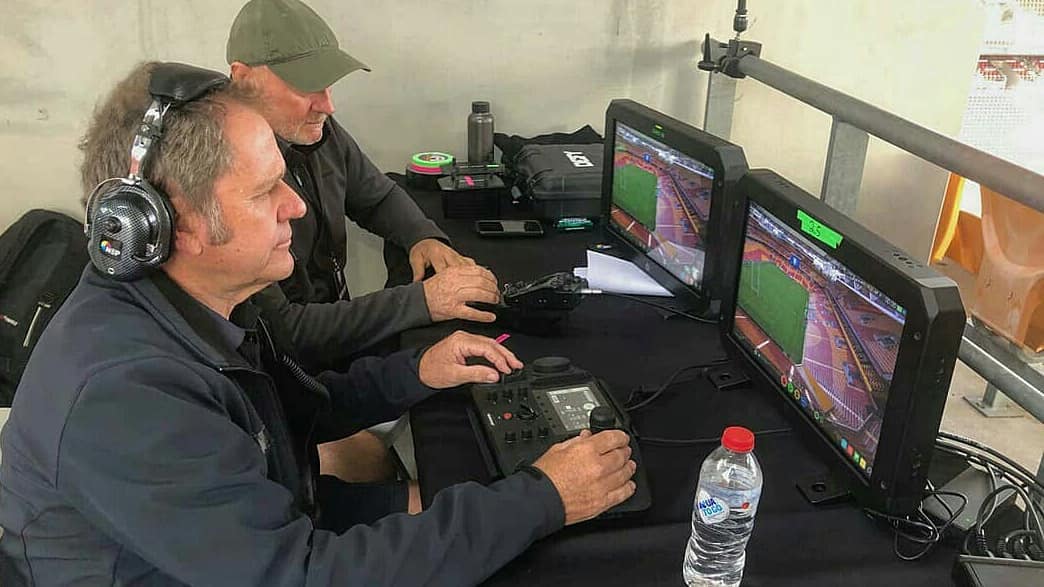
- The chief technician or project manager becomes the pilot/operator of the system
- An additional operator works as the gimbal operator
- The electrician remains on site to oversee technical operations, battery changes, and equipment support
For this reason, it is highly recommended that the full operational crew participate in both the installation and training process from the beginning.