

How to Increase the Flying Zone of a 3D Cable Cam System
A 3D cable cam system can often cover a larger practical venue area by installing longer carrying ropes and placing the winches farther from the active shooting zone. This does not turn a smaller system into a different system class, but it can extend or reposition the usable flying zone when the original limitation is rope length, winch placement, or venue geometry.
This is especially useful in studios, arenas, and stadiums where the best winch positions are not directly under the ideal pulley locations. By using longer standard ropes, JoyMechanix cable cam systems can adapt to wider rigging layouts while keeping the main camera movement area where the production actually needs it.
This is especially useful in studios, arenas, and stadiums where the best winch positions are not directly under the ideal pulley locations. By using longer standard ropes, JoyMechanix cable cam systems can adapt to wider rigging layouts while keeping the main camera movement area where the production actually needs it.
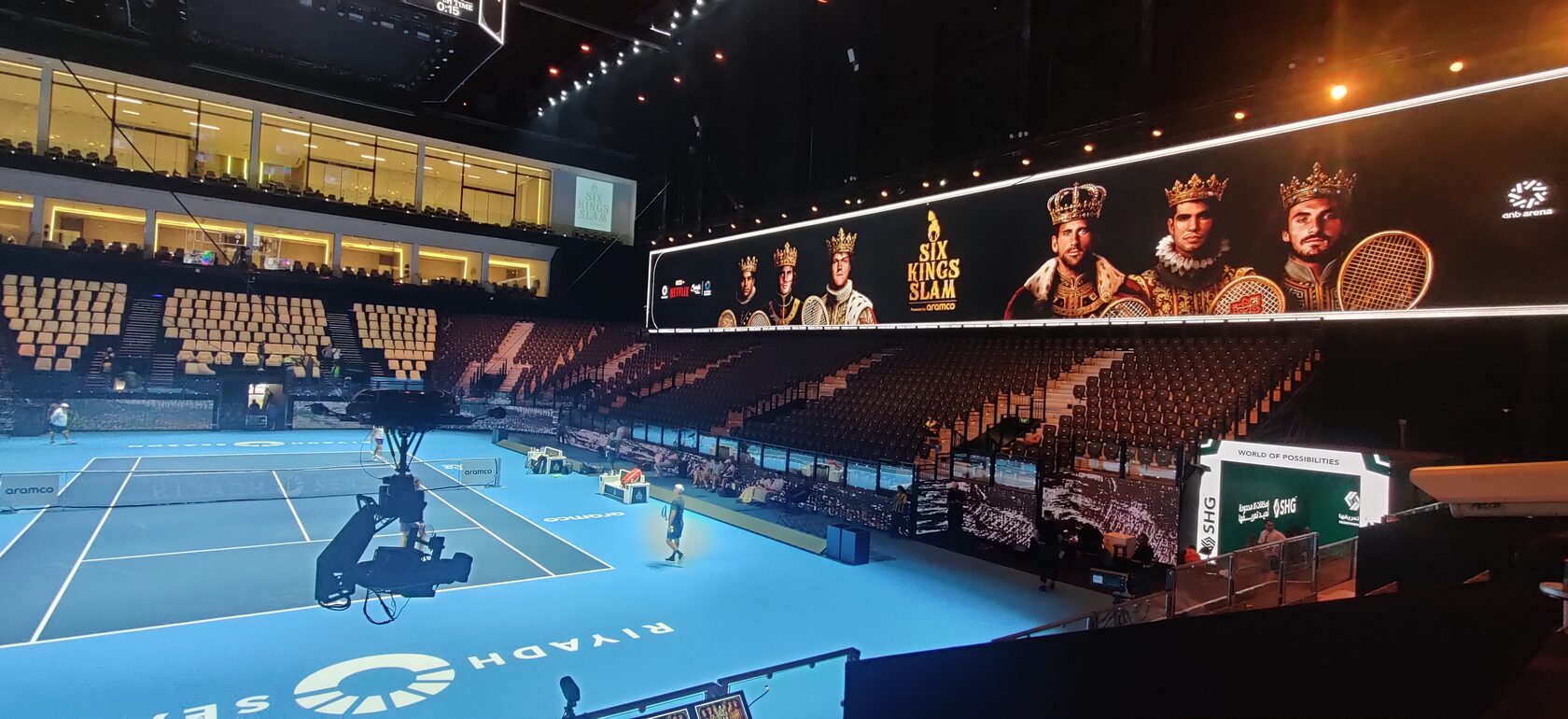
Article scope
This article explains how longer ropes can help extend the practical flying zone of a JoyMechanix 3D cable cam system. It focuses on rope length, winch placement, pulley routing, and usable camera movement area.
The key point is simple: longer ropes can increase the physical geometry available to the system, but the final flying zone still depends on system class, pulley height, payload, sag, speed requirements, anchor points, and safety limits.
What does “increasing the flying zone” mean?
Increasing the flying zone means expanding the area where the camera can move usefully and safely within the venue. In a 3D cable cam system, this area is created by the relationship between four winches, the pulley points, the carrying ropes, the camera package, and the control system.
In real projects, the flying zone is not only a number from a datasheet. It is shaped by the venue. A system may have enough mechanical and software capability for the required shot, but the installation may be limited by rope length or by where the winches can physically be placed.
Longer ropes help solve that problem. They allow the winches to be installed farther away from the active camera zone, while the pulleys and rope geometry define a larger or more useful area for filming.
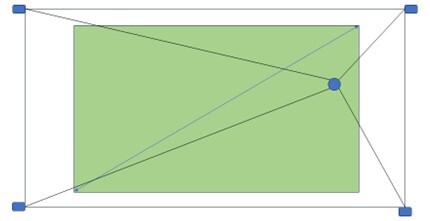
How longer ropes help extend the flying zone
A frequent question is whether a 3D cable cam system with, for example, 100-meter winches can be used in a larger venue where the distance between winches or rigging points is around 150 meters.
In many cases, the answer is yes. Longer ropes can be installed on the winches, allowing the physical rigging layout to expand. For example, a 150-meter rope can be fitted where the standard rope length is shorter, provided the rope specification, drum capacity, geometry, and safety calculations are approved.
This can extend the practical flying zone because the camera is no longer limited by the original rope length or by a narrow winch layout. The active shooting area can be placed in the center of the venue, over the field of play, stage, congregation, audience area, or performance zone.
Why JoyMechanix can use longer standard ropes
This approach is practical because JoyMechanix cable cam systems do not rely on fiber-integrated carrying ropes. The load-bearing ropes are standard, replaceable, and can be adapted for different venue layouts.
In some cable cam architectures, the carrying line also includes signal fiber. That makes rope extension more expensive and less flexible, because replacing the rope means replacing a specialized signal-carrying component.
With JoyMechanix cable cam systems, the carrying rope is not the signal path. This allows the rope length to be changed more easily. Longer ropes can be supplied by JoyMechanix or, in some cases, sourced locally when they meet the required technical specification and are approved for the project.
The practical effect on the flying zone
Longer ropes can affect the flying zone in two ways.
- They can physically expand the possible rigging geometry.
- They can move the active shooting area into a better position inside the venue.
For example, if the standard rope length limits the system to a smaller central setup, longer ropes may allow the pulleys and winches to be positioned farther apart. This gives the camera more useful space to move inside the venue.
However, the final flying zone is not defined by rope length alone.
Flying zone = rope length + winch position + pulley geometry + height + payload + sag + safety limits
This means a longer rope is a way to unlock a larger or better-positioned flying zone when the rest of the system geometry supports it.
Why most productions benefit from a larger central zone
Most productions do not need the camera to fly into every extreme corner of the rig. The most useful shots are usually concentrated around the center of the venue.
In sports, this may be the main field of play. In concerts, it may be the stage and front audience area. In worship, it may be the stage, pastor position, choir, musicians, and congregation. In studios, it may be the main scenic area rather than the full ceiling footprint.
This is why longer ropes are valuable. They allow the system to be installed across a larger structure while keeping the camera movement focused on the most important part of the production.
In many cases, the production uses only around the central 70% of the available space for meaningful shots. Extending rope length helps place that central 70% exactly where it is needed.
How longer ropes solve difficult venue layouts
Real venues often prevent a perfect four-corner winch layout. Stadiums, arenas, churches, studios, and concert halls all have structural and operational constraints.
Common challenges include:
- Winches cannot be placed directly under the pulleys.
- The ideal pulley points are above seating, screens, lighting, tunnels, or protected areas.
- The venue has limited floor space for technical equipment.
- Structural steel is available only in certain zones.
- Audience access, emergency routes, or broadcast platforms block ideal winch positions.
- The production wants the winches grouped in one technical area.
Longer ropes make these layouts easier to solve. The winches can be placed where they are practical and safe, while the ropes are routed through pulleys to create the required flying geometry.
In some stadium installations, several winches, or even all four winches, can be placed in one corner or one technical zone. The ropes are then routed through multiple pulleys to reach the correct positions around the venue. This kind of layout requires careful engineering, but it is much easier when the carrying ropes are standard and replaceable.
Cost advantages of longer standard ropes
Standard ropes are significantly more economical than fiber-integrated carrying ropes. In some cases, the difference can be around 10 times, depending on the rope type and project requirements.
This matters because extending the flying zone often requires more rope length than a basic installation. If every rope extension required a fiber-integrated cable, the cost and complexity would increase quickly.
With standard replaceable ropes, JoyMechanix cable cam systems are more flexible to adapt. A venue can use longer ropes for one installation layout, keep spare ropes available, or adjust the rope set for a different venue in the future.
What longer ropes do not change
Longer ropes are a powerful way to extend or reposition the practical flying zone, but they do not remove the engineering limits of the system.
- They do not automatically change the system class.
- They do not remove sag and height requirements.
- They do not increase payload by themselves.
- They do not replace structural approval.
- They do not remove the need for safety zones.
- They do not eliminate the need for proper commissioning.
The correct JoyMechanix cable cam system still depends on the required diagonal, ceiling or roof height, camera package, lens, desired speed, anchor points, and production use case.
Key takeaways
- Longer ropes can help extend or reposition the practical flying zone of a 3D cable cam system.
- This is possible because JoyMechanix cable cam systems use standard replaceable carrying ropes, not fiber-integrated load lines.
- A longer rope gives more freedom for winch placement, pulley routing, and venue adaptation.
- The final flying zone still depends on geometry, height, sag, payload, speed, and safety limits.
- Standard ropes are much more cost-efficient and easier to replace than fiber-integrated ropes.
FAQ
Can longer ropes extend the flying zone of a 3D cable cam system?
Yes, longer ropes can extend or reposition the practical flying zone when rope length or winch placement is the limiting factor. The final result still depends on system geometry, height, payload, sag, and safety limits.
Can a 100-meter system work in a venue with 150 meters between rigging points?
In many cases, yes. Longer ropes can allow the system to be installed across a larger physical layout, while the active flying zone is positioned where the production needs it.
Does a longer rope turn a smaller system into a larger model?
No. Longer ropes increase rigging flexibility and may extend the practical flying zone, but they do not change the rated system class, payload, speed, or safety limits.
Why are standard ropes better for this than fiber-integrated ropes?
Standard ropes are easier to replace, easier to adapt, and significantly more economical. Since the carrying rope is not the signal path, the system can use different rope lengths without replacing a specialized fiber-integrated cable.
Can all winches be placed in one technical area?
In some venue layouts, yes. The winches can be grouped in one area and the ropes routed through pulleys to create the required geometry. This requires proper engineering and approval for rope paths, pulley loads, anchors, clearances, and safety zones.
Can longer ropes be sourced locally?
Sometimes, yes. Local sourcing may be possible when the rope meets the required technical specification and is approved for the project. JoyMechanix can also supply the required rope set.
Conclusion
Longer ropes are one of the most practical ways to extend the flying zone of a JoyMechanix 3D cable cam system. They give the production team more freedom to place winches, route ropes, and adapt the system to the real structure of a venue.
The main advantage is flexibility. Because JoyMechanix cable cam systems use standard replaceable ropes instead of fiber-integrated carrying lines, extending rope length is simpler, more economical, and easier to maintain.
For studios, arenas, stadiums, churches, and live event venues, this can make the difference between a limited installation and a cable cam setup that covers the area the production actually needs.